
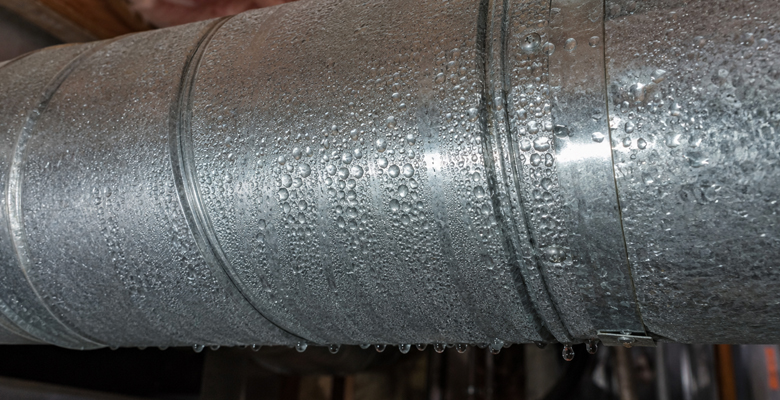
Seeing water droplets forming on your air conditioning ducts can be frustrating - and if left untreated, duct condensation can lead to mold growth, water damage, insulation problems, and reduced HVAC efficiency. Fortunately, sweating ducts are usually caused by a few common issues that can be corrected with proper maintenance and airflow improvements.
Why Do AC Ducts Sweat?
Condensation forms when cold air traveling through your ductwork cools the metal surface below the dew point of the surrounding air. When warm, humid air comes into contact with those cold surfaces, moisture develops on the outside of the ducts.
To prevent condensation, you need to either:
Reduce the amount of warm, humid air around the ducts, or Increase the surface temperature of the ductwork through insulation and airflow improvements. Here are the most effective ways to stop AC duct condensation in your home.
1. Reduce Indoor Humidity
High indoor humidity is one of the leading causes of sweating ductwork. The more moisture in the air, the easier it is for condensation to form.
Maintain Proper Humidity Levels
Ideally, your home's indoor humidity should stay between 30% and 50%. Anything above that can create the perfect conditions for duct sweating.
Consider a Whole-Home Dehumidifier
Homes in humid climates often benefit from a whole-home dehumidifier. These systems work alongside your HVAC equipment to remove excess moisture from the air year-round.
Use Exhaust Fans
Bathrooms and kitchens generate large amounts of humidity from showers, cooking, and dishwashing. Running exhaust fans during and after use helps remove moisture before it spreads throughout the house.
2. Improve or Replace Duct Insulation
Insulation acts as a protective barrier between cold duct surfaces and warm surrounding air. Without proper insulation, condensation becomes much more likely.
Wrap Exposed Ductwork
Use fiberglass duct wrap or closed-cell foam insulation to fully cover exposed ducts, especially in attics, crawl spaces, and basements where temperature differences are greater.
Inspect Existing Insulation
Damaged insulation can worsen the problem. Look for:
- Tears or gaps
- Compressed insulation
- Water damage
- Missing sections
Wet or deteriorated insulation should be replaced promptly to prevent moisture buildup and mold growth.
3. Seal Air Leaks Around Ductwork
Warm, humid air leaking into unconditioned spaces can quickly create condensation when it contacts cold ducts.
Seal Around Vent Boots
Small gaps between ceiling drywall and HVAC vent boots allow attic air to enter the home. Applying high-quality caulk around these openings creates an airtight seal and reduces moisture intrusion.
Seal Duct Seams and Joints
Leaks in metal ductwork can allow cold air to escape, lowering surface temperatures and increasing condensation. Use duct mastic or approved foil tape to seal seams and connections properly.
4. Maintain Proper HVAC Airflow
Restricted airflow can cause your evaporator coil to become excessively cold, which can overcool the ductwork and increase sweating.
Replace Air Filters Regularly
Dirty air filters reduce airflow and strain your HVAC system. Check filters monthly and replace them every 1 to 3 months depending on usage and indoor air quality conditions.
Keep Vents Open and Clear
Blocked supply or return vents disrupt airflow balance throughout your home. Make sure vents remain open, clean, and free of furniture or obstructions.
Don't Ignore Sweating Ducts
While a small amount of condensation may seem harmless, ongoing moisture around your ductwork can eventually lead to:
- Mold and mildew growth
- Ceiling or drywall damage
- Reduced energy efficiency
- Damaged insulation
- Higher cooling costs
Addressing humidity issues, sealing leaks, improving insulation, and maintaining airflow can help protect your HVAC system and keep your home comfortable year-round.
If condensation problems continue despite these improvements, it may be time to have your ductwork professionally inspected for hidden airflow or insulation issues. Call our service team 24/7 at (204) 953-5700. At 4 Seasons Heating, Cooling & Electrical, we are cooling system experts.
We're here when you need us!


